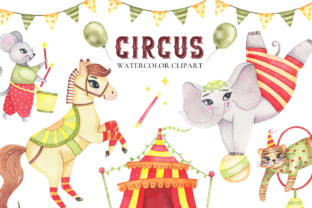
Circus Animals Watercolor Clipart & Illustrations
As a brand designer who has spent years navigating the intersection of aesthetic appeal and marketing performance, I approach every new graphic design asset with a critical eye. When I first opened the file for Circus Animals Watercolor Clipart, my immediate reaction was one of nostalgic charm mixed with professional curiosity. The soft, bleeding edges of the watercolor style create an instant mood of whimsy and playfulness. This is not a sterile, vector-perfect corporate look; it feels handmade, organic, and deeply human. For brands looking to inject personality into their brand identity, this collection offers a distinct emotional tone that can differentiate a business in a crowded digital marketplace.
However, the question remains: does this whimsical vibe translate into effective marketing visuals? To answer that, I placed these assets into a real-world scenario. Imagine a small business owner launching a new line of eco-friendly children's toys or a seasonal "Magic Month" promotion for a boutique bakery. The goal is to attract parents and families without appearing cluttered or unprofessional. In this context, Circus Animals Watercolor Clipart serves as a powerful tool to soften the visual hierarchy and invite the audience into a story rather than just presenting a product.
Setting the Tone: From Whimsy to Professional Branding
The first impression of any creative design dictates how the audience perceives the brand behind it. These illustrations lean heavily into a vintage, storybook aesthetic. The color palette typically found in such watercolors—soft pastels, muted teals, and warm ochres—evokes feelings of trust and warmth. For small business branding, this is crucial. Unlike harsh, high-contrast geometric shapes that can feel aggressive, watercolor elements suggest approachability. If you are a life coach targeting creative entrepreneurs, or a publisher releasing a children's book series, this digital product aligns perfectly with your desired audience perception.
Yet, the risk with highly stylized clipart is that it can sometimes feel dated or too casual for premium positioning. The key lies in execution. By pairing these playful animals with clean, modern typography and ample white space, you elevate the asset from a simple decoration to a sophisticated brand element. It transforms the narrative from "cheap party favor" to "curated lifestyle experience." This balance is essential for maintaining audience trust while still capturing attention on social feeds dominated by polished content.
Strategic Applications in Real Marketing Campaigns
When integrating Circus Animals Watercolor Clipart into a workflow, versatility is the primary advantage. I tested these assets across various formats to see where they shine brightest. For social media graphics, particularly on platforms like Instagram and Pinterest, the organic shapes break up the grid effectively. A square post featuring a watercolor lion peeking out from behind a bold headline creates a focal point that stops the scroll. Similarly, for Pinterest pins, these illustrations add texture that makes a printable design or blog link stand out against flat backgrounds.
In the realm of packaging design and product labels, the tactile nature of watercolor translates beautifully to print. Imagine a sticker pack for a subscription box or a thank-you card insert for an online store. The perceived value increases when customers see hand-drawn quality, suggesting that the brand cares about details. For editorial design, such as blog headers or email banners, these images serve as excellent decorative accents that guide the reader's eye without overwhelming the text. They work exceptionally well in Canva templates designed for event flyers, allowing creators to quickly assemble marketing visuals that look custom-made.
Enhancing Visual Hierarchy and Engagement
A common challenge in content marketing is creating a clear visual hierarchy. Too many elements compete for attention, leading to cognitive overload. Circus Animals Watercolor Clipart can actually solve this problem if used strategically. Because the watercolor style naturally fades at the edges, it recedes slightly compared to solid colors, making it perfect for background layers or framing elements. This allows your main message—the call to action or product offer—to remain the hero of the design.
Furthermore, these illustrations foster an emotional connection. People remember stories and characters better than abstract logos. By incorporating a recurring animal character from this set into your digital ads or web design, you build recognition over time. This consistency strengthens your professional branding and makes your campaign more memorable. Whether you are designing merchandise, stickers, or a media kit for influencers, having a cohesive visual language rooted in these assets ensures your brand feels unified across all touchpoints.
Navigating Limitations and Design Pitfalls
While the potential is high, there are scenarios where Circus Animals Watercolor Clipart should be used with caution. It is generally unsuitable for formal corporate branding or industries requiring a stark, minimalist aesthetic, such as law firms or fintech startups. The organic nature of the art can clash with rigid, data-heavy layouts. Additionally, avoid using these assets in dense information layouts or text-heavy ads where the intricate details might reduce readability.
Another critical consideration is contrast. On low-contrast backgrounds, lighter watercolor strokes may disappear entirely, rendering the asset ineffective. Always test the visibility of the clipart against your specific brand colors. Furthermore, for small mobile graphics, ensure the resolution is high enough. While watercolor looks great large, fine details can blur on tiny screens if the PNG design isn't optimized. If the asset competes with your main message, the user will miss the point of your ad. Simplicity often wins in the mobile-first era.
Practical Notes for the Brand Designer
Before finalizing any campaign using this design bundle, I recommend a rigorous testing phase. First, check how the colors interact with your existing brand palette. Do the blues clash with your logo? Second, preview the assets in black and white to ensure they retain definition for print materials like brochures or invoices. Place the images inside real campaign mockups to visualize the scale and spacing. Does the elephant look balanced next to the headline, or does it feel cramped?
Typography pairing is equally important. These soft illustrations pair beautifully with script fonts and handwritten font styles to enhance the organic feel. However, they also provide a delightful contrast when paired with bold sans serif font or classic serif font choices, grounding the whimsy in professionalism. Finally, always confirm the commercial license before using these assets in paid campaigns, client work, or business branding. Ensuring you have the legal right to use the SVG design or raster files protects your business from future liabilities.
Final Verdict for Creative Entrepreneurs
Ultimately, Circus Animals Watercolor Clipart is a versatile graphic design asset that bridges the gap between playful creativity and strategic marketing. For online coaches, product creators, and bloggers aiming to humanize their brand, these Illustrations offer a unique way to tell a story. They allow you to craft modern design narratives that resonate emotionally while maintaining a polished appearance. By understanding where to apply them—and where to hold back—you can leverage this creative marketplace find to create stunning, effective visuals that drive engagement and build lasting brand loyalty.