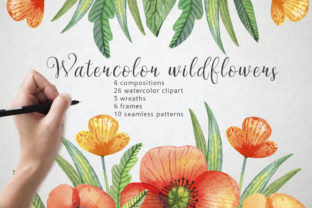
Watercolor Wildflowers Illustrations Review
As a digital publisher who has spent years refining the visual language of content websites, I know that the difference between a casual blog and a trusted authority often comes down to the quality of its design assets. When I first opened the Watercolor Wildflowers collection, I was immediately struck by its ability to bridge the gap between artistic flair and functional editorial design. This is not just a set of decorative images; it is a comprehensive graphic design asset capable of elevating the entire user experience of a lifestyle, wellness, or creative business website.
The Editorial Mood and First Impressions
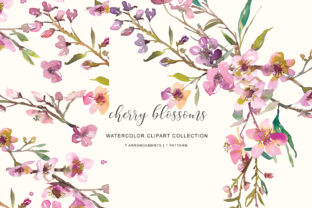
The moment you see these illustrations, the mood shifts from generic to curated. Unlike stock photography that can feel staged or impersonal, watercolor textures bring an organic, human touch to digital spaces. The soft edges and blended hues of Watercolor Wildflowers create a sense of warmth and approachability that is essential for building reader trust. For niches like gardening, mental health, sustainable living, or feminine entrepreneurship, this style signals that the content creator cares about aesthetics and detail.
In my workflow, I look for assets that support a specific brand identity without overpowering the text. These illustrations strike that balance perfectly. They feel modern yet timeless, avoiding the trap of looking dated after a single season. Whether you are designing a digital guide or a simple blog post header, the artwork provides a sophisticated backdrop that suggests professionalism while remaining playful enough to engage a scrolling audience.
Integrating into Real Publishing Workflows
The true value of Watercolor Wildflowers becomes apparent when you apply it across various content formats. In my recent project for a small business owner, I utilized these illustrations as featured images for a series of articles on seasonal planning. The result was immediate: the click-through rate on those posts increased because the thumbnails stood out against the stark white background of the homepage.
- Blog Featured Images: Using these graphics as primary headers creates a consistent visual hierarchy. Readers instantly recognize the category of the post before reading a single word.
- Pinterest Pins: Pinterest is a visual search engine, and these illustrations perform exceptionally well there. When paired with bold typography in a Canva template, they drive significant traffic back to the main site.
- Newsletter Graphics: Email open rates can be boosted by including a custom banner featuring these wildflowers. It breaks up the monotony of text-heavy emails and reinforces the sender's brand.
- Digital Products: For creators selling lead magnets or eBooks, using Watercolor Wildflowers on the cover adds perceived value. A digital download looks far more premium when wrapped in high-quality editorial design.
Enhancing Content Performance and Brand Identity
Visual consistency is the backbone of strong branding. By integrating Watercolor Wildflowers across your website header, social media graphics, and affiliate marketing visuals, you create a cohesive ecosystem. This consistency reduces cognitive load for the visitor, making your site feel easier to navigate and more reliable. When a reader sees the same floral motif on your Instagram story, your blog post, and your downloadable worksheet, their subconscious registers your brand as established and trustworthy.
Furthermore, these illustrations improve the visual hierarchy of your pages. Instead of relying solely on blocky photos that might slow down page load times, vector-based or optimized raster versions of these flowers allow for faster rendering while maintaining aesthetic appeal. This speed is crucial for SEO and user retention. A polished, fast-loading site with beautiful graphics keeps readers engaged longer, signaling to search engines that your content is valuable.
Strategic Placement and Best Use Cases
To get the most out of this asset, strategic placement is key. These illustrations shine brightest in hero sections where they can make a grand statement, or as subtle accents in sidebar widgets and footer areas. They are also perfect for creating custom category thumbnails that help users navigate complex content structures. If you are an online educator, consider using them as chapter dividers in your digital guides or as decorative elements in your course slides.
For affiliate marketers, these designs offer a unique angle. Instead of using the manufacturer's product photo for every link, you can create custom comparison charts or review banners using Watercolor Wildflowers as a thematic element. This makes your affiliate content feel less like an ad and more like a curated recommendation, which often leads to higher conversion rates.
Where to Exercise Caution
While versatile, Watercolor Wildflowers is not a one-size-fits-all solution. You must use it carefully in contexts that demand strict minimalism or corporate seriousness. If your niche is heavy finance, legal services, or industrial B2B sales, the soft, organic nature of these illustrations might clash with the expected tone of authority and rigidity. Additionally, avoid using these assets on low-contrast backgrounds where the delicate details might get lost. On mobile devices, ensure that the flowers do not obscure critical text or call-to-action buttons when used as overlays.
Practical Publisher Notes for Implementation
Before committing to any design asset, I always run a rigorous testing protocol. Here is what I recommend when working with Watercolor Wildflowers:
- Test Across Devices: Preview the images on both desktop and mobile screens. Ensure the resolution holds up on high-density displays and does not pixelate on smaller thumbnails.
- Typography Pairing: Experiment with different font styles. These illustrations pair beautifully with elegant serif fonts for a classic look, clean sans-serif fonts for a modern feel, and even handwritten scripts for a personal touch.
- Contrast and Readability: Always check how text overlays appear on top of the flowers. You may need to add a subtle shadow or semi-transparent box behind your headlines to ensure accessibility.
- File Optimization: Web performance is non-negotiable. Compress the images properly using tools like TinyPNG or Squoosh to keep file sizes low without sacrificing quality.
- Licensing Verification: Confirm the commercial license terms. As a publisher, you need assurance that you can use these assets on monetized websites, affiliate pages, and paid products without legal issues.
Final Thoughts on Visual Storytelling
In the crowded landscape of digital publishing, standing out requires more than just good writing; it demands exceptional visual storytelling. Watercolor Wildflowers offers a powerful way to inject personality, warmth, and professionalism into your content strategy. Whether you are building a newsletter, launching a digital product, or simply refreshing your blog graphics, this collection provides the creative foundation needed to captivate your audience. By thoughtfully integrating these illustrations, you transform a standard website into a memorable brand experience that readers will want to return to again and again.