25 Watercolor Cactus Files: A Designer Review
As a designer who has spent years translating digital art into tangible stitched goods, I approach every new machine embroidery design with a mix of excitement and skepticism. The market is flooded with generic patterns, so finding a collection that actually works in a real-world craft business context is rare. Recently, I dug into the 25 Watercolor Cactus Files to see if they hold up under the scrutiny of a professional workflow. These files fall under the Illustrations category, promising a soft, artistic aesthetic that many Etsy sellers and boutique owners are chasing right now.
The First Impression: Mood and Visual Personality
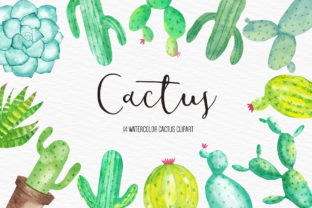
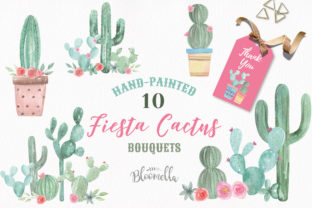
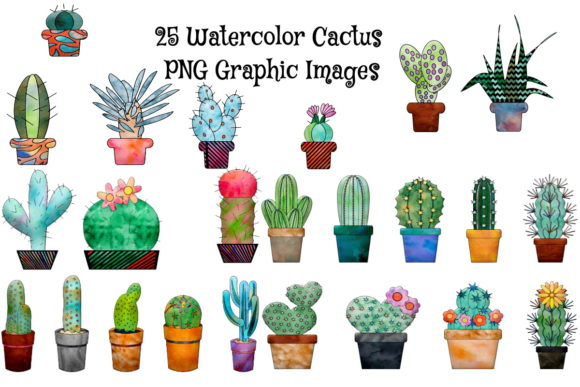
When you first open the preview for the 25 Watercolor Cactus Files, the immediate reaction is one of warmth and whimsy. Unlike rigid, geometric botanicals, these designs capture the fluidity of watercolor paint. For an embroidery project, this presents both a challenge and an opportunity. The visual personality here is distinctly modern yet nostalgic, perfect for the "boho-chic" or "desert garden" trends dominating home decor and lifestyle apparel right now.
The shapes are organic, avoiding harsh lines in favor of soft edges that mimic brush strokes. In a digital format, this looks effortless. However, as a reviewer thinking about how this translates to thread, I immediately start analyzing the potential for fill stitch density. To achieve that watercolor look, the design likely relies on varying densities and perhaps some satin stitch accents to define the spines or pots. This level of detail suggests these files are best suited for projects where the customer expects a high-end, artistic finish rather than a quick logo stamp.
A Real-World Scenario: The Custom Tote Bag Project
To truly test the viability of these assets, let's imagine a specific scenario. You run a small shop specializing in eco-friendly accessories, and you want to launch a line of personalized tote bags for a summer craft fair. You decide to use the 25 Watercolor Cactus Files to create a signature look. You select a heavy-duty cotton canvas bag, which provides a stable surface for embroidery.
In this context, the design shines. The soft gradients of the cactus leaves translate well into the texture of the fabric. Because the files offer a variety of poses and sizes within the set, you can create a cohesive collection—perhaps a large statement piece on the front of the bag and smaller, subtle motifs on the handles or side pockets. Customers browsing your booth would likely be drawn to the unique, hand-painted feel of the stitching. It elevates a simple canvas bag from a commodity to a handmade product with perceived value. The tote bag design feels intentional and curated, which builds trust with buyers looking for quality over mass production.
Navigating Fabric Challenges and Technical Limits
While the tote bag scenario works beautifully, the 25 Watercolor Cactus Files require careful consideration when moving to different substrates. As a professional, I cannot recommend using these delicate illustrations on just any material without testing first.
If you attempt to embroider these on thin fabrics like silk or lightweight rayon, the stitch density required to mimic the watercolor effect might cause puckering. Similarly, on stretchy materials like jersey knit for sweatshirt embroidery or t-shirts, the stability of the design could be compromised unless you use a high-quality stabilizer. The intricate details in the cactus arms or the shading in the pots might get lost if the fabric stretches during the hooping process.
Furthermore, consider the background color. These designs rely heavily on negative space and light tones to achieve their airy look. Placing them on dark fabric without significant adjustments to the underlay and thread colors could result in a muddy appearance. If you are planning to sell these as personalized gifts on dark denim jackets or black caps, you must ensure the contrast remains crisp. The running stitch outlines used to define the watercolor edges need to pop against the background to maintain the design's integrity.
Strategic Applications for Small Business Owners
For the craft business owner, versatility is key. The 25 Watercolor Cactus Files offer excellent flexibility across various product categories. Beyond totes, these files work exceptionally well for pillow covers and kitchen linens. Imagine a set of tea towels featuring a single, elegant cactus motif; the soft aesthetic complements the natural fibers of linen or cotton perfectly.
They are also ideal for baby embroidery. Parents love gender-neutral, nature-inspired themes for nursery decor. A onesie or a receiving blanket with a tiny, watercolor-style cactus patch is adorable and trendy. The gentle curves of the design feel safe and soothing, fitting the demographic perfectly. Additionally, these files serve as excellent design assets for creating printable mockups to showcase your services online. Even before you stitch a single thread, you can generate professional-looking images of your finished products to drive engagement on social media and your Etsy shop.
Where Caution is Required
Despite their appeal, there are limitations. Do not attempt to scale these down too aggressively for small hoop sizes. The delicate details that give the watercolor effect its charm will vanish if the design is reduced below a certain threshold. Tiny lettering paired with these complex illustrations should also be avoided, as it can lead to registration issues and a cluttered look.
Also, keep in mind the durability of the finished item. If you are creating items that will undergo frequent washing, such as aprons or gym wear, ensure the thread colors and stitch density are robust enough to withstand the abrasion. While the design is beautiful, it is an artistic piece that deserves care. Using it on items meant for heavy industrial use might not yield the best long-term results.
Practical Designer Notes for Success
Before committing to a full production run with the 25 Watercolor Cactus Files, follow these practical steps:
- Test on Scrap Fabric: Always run a test stitch on a scrap piece of the actual fabric you plan to use. Check for puckering and ensure the watercolor gradient effect is visible.
- Check Thread Contrast: Verify that your chosen thread colors stand out against the fabric. Light pastels on white fabric may disappear, while dark threads on dark backgrounds lose definition.
- Review Stabilizer Needs: Determine if you need tear-away, cut-away, or wash-away stabilizer based on the fabric texture and design density.
- Inspect Licensing: Confirm whether the license allows for commercial use of the finished embroidered patch or garment. Ensure you have the rights to sell items made with these digital embroidery files.
- Mockup in Black and White: Test the design in grayscale to ensure the value contrast works before spending thread and time.
Ultimately, the 25 Watercolor Cactus Files are a strong addition to any creative entrepreneur's library, provided they are used with intention. They bridge the gap between digital illustration and tactile craftsmanship, offering a fresh aesthetic for custom apparel and home goods. By respecting the technical requirements of the medium and choosing the right applications, you can turn these files into profitable, beautiful products that resonate with customers seeking unique, handmade quality.