Watercolor Cactus Clipart: A Designer Review
As someone who has spent years navigating the intersection of digital art and physical stitching, I approach every new machine embroidery design with a mix of excitement and skepticism. The market is flooded with assets that look stunning on a screen but fall apart under the needle. When I first opened the file for Watercolor Cactus Clipart, Illustration, my immediate goal was to determine if this aesthetic could survive the translation from pixel to thread without losing its soul. This isn't just about pretty pictures; it is about whether this specific embroidery file can hold up in a real-world craft business environment where quality dictates reputation.
The First Impression: Mood and Visual Personality
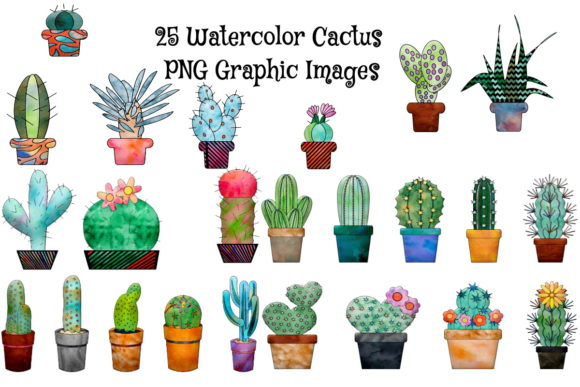
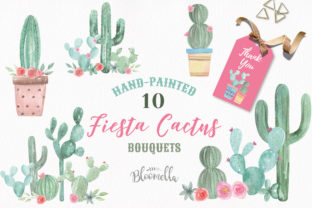
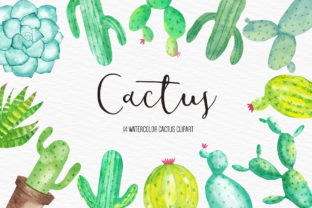
The initial view of Watercolor Cactus Clipart, Illustration immediately sets a soft, organic tone. Unlike rigid geometric patterns or high-contrast vector art, this design leans heavily into the fluid nature of watercolor painting. The edges are intentionally soft, blending shades of sage, dusty pink, and muted teal. For an Etsy seller or boutique owner looking to create a cohesive brand identity, this visual personality is gold. It suggests warmth, nature, and a handmade touch that customers crave.
However, the challenge with watercolor styles in embroidery is replicating that "bleed" effect. In a standard digital product, gradients are smooth. In stitching, we rely on fill stitch density and thread colors to mimic that look. My first observation was how the layout handles negative space. The cacti are not overcrowded, allowing the background fabric to peek through, which is crucial for maintaining that airy, artistic feel. If you are planning to use this as a tote bag design or for sweatshirt embroidery, the spacing ensures the design won't look muddy even when stitched at a moderate scale.
Real-World Application: From Screen to Fabric
Let's talk about a practical scenario. Imagine you are preparing a custom embroidered tote bag for a local craft fair. You want something that stands out against the sea of black and white logos. You load Watercolor Cactus Clipart, Illustration into your machine. As the needle starts moving, the stitch density becomes the critical factor. Because the design mimics watercolor washes, it likely utilizes varying densities to create depth. On a sturdy canvas tote, this works beautifully. The texture of the canvas helps hide the slight gaps between stitches, enhancing the "painterly" illusion.
I also considered using this for personalized gifts, specifically baby items. The soft color palette makes it perfect for baby embroidery on onesies or burp cloths. However, here is where experience kicks in: you must test the hoop size carefully. While the illustration looks small on the screen, the intricate details of the cactus spines and the gradient transitions might require more room than expected to prevent distortion. If you try to shrink it too much for a tiny hat patch, those delicate watercolor edges will turn into jagged blocks of thread, ruining the aesthetic.
For commercial embroidery projects, such as branding for a yoga studio or a wellness shop, this design offers a unique advantage. It feels less corporate and more community-focused. When applied to custom apparel like aprons or kitchen towels, it elevates the item from a generic utility object to a piece of home decor. The finished product exudes a level of care that justifies a higher price point, directly impacting your product value and customer trust.
Navigating Technical Challenges and Limitations
Despite its charm, Watercolor Cactus Clipart, Illustration requires careful handling in specific situations. One major concern is the choice of fabric. On thin or stretchy fabrics like jersey knit, the weight of the fill stitch needed to achieve the watercolor effect can cause puckering. Without the right stabilizer, the fabric will warp, and the soft curves of the cactus will look uneven. I strongly advise testing this on scrap fabric first, especially if you plan to use it for holiday embroidery on sweaters or hats.
Another consideration is the background color. Watercolor designs often rely on white or light backgrounds to maintain their vibrancy. If you attempt to stitch this on dark fabric without significant adjustments to the thread colors or adding a backing layer, the pastel tones may disappear entirely. You might need to add a white underlay or consider this primarily for light-colored garments. Additionally, while the design is beautiful, it is not an applique design. Do not expect it to have the durability of felt cutouts; it relies on thread alone, so frequent washing on heavy-duty cycles could eventually fray the delicate edges.
Detail retention is another area to watch. The spines of the cacti are rendered with fine lines. In a running stitch outline, these can sometimes get lost if the hoop tension is off or if the fabric texture is too coarse. Always inspect small details on a test run. If you are creating an embroidered patch, ensure the backing material is thick enough to support the density required for the watercolor effect.
Strategic Advice for Designers and Makers
To get the most out of Watercolor Cactus Clipart, Illustration, follow these practical steps before committing to a full production run. First, always check the licensing terms. Just because you bought the digital embroidery file does not automatically grant you the right to sell unlimited finished goods. Confirm whether the license covers small shop products or if there are restrictions on volume. This protects your business from legal issues down the road.
Second, utilize printable mockups to visualize the design on different products before you stitch a single thread. Compare how the design looks on a white pillow cover versus a beige tea towel. This step helps you confirm that the visual appeal translates well across various mediums. Third, pay close attention to the stitch count provided in the file description. High stitch counts mean longer production times, which affects your pricing strategy for handmade products.
Finally, think about your target audience. Who is buying this? Is it a millennial mom looking for nursery decor, or a plant enthusiast wanting a unique gift? The versatility of Watercolor Cactus Clipart, Illustration allows it to fit both, but your marketing should reflect the specific use case. Whether you are selling the embroidery project itself as a kit or offering the finished item, clarity is key. By understanding the strengths and limitations of this design, you can ensure that your final output is professional, durable, and visually stunning.
In conclusion, while Watercolor Cactus Clipart, Illustration presents some technical challenges regarding fabric choice and density, its aesthetic potential is undeniable. With proper preparation and a strategic approach to machine embroidery design, it can become a standout asset in your portfolio, driving engagement and sales for your creative enterprise.