Halloween Watercolor Clipart Embroidery Review
As a designer who has spent years translating digital art into tangible stitched goods, I approach every new asset with a critical eye. The transition from a screen to a fabric surface is where many projects fail or succeed. Recently, I examined the Halloween Watercolor Clipart collection to see if these illustrations could hold up under the scrutiny of real-world embroidery production. My goal was not just to admire the aesthetic but to determine how this design performs when converted into a machine embroidery design for actual client work and small shop inventory.
The Visual Mood and Design Personality
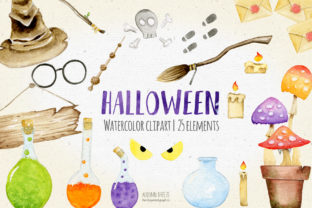
At first glance, the Halloween Watercolor Clipart exudes a soft, whimsical charm that stands in stark contrast to the traditional, jagged horror tropes often seen during October. The watercolor style relies on soft edges, blended gradients, and organic shapes. For an Illustrations category product, this is visually striking. However, in the world of thread and needle, soft edges present a unique challenge. When I visualize these designs as a finished product, I am immediately thinking about stitch density and how the machine will interpret those delicate color transitions.
The layout feels balanced, making it suitable for central placement on various items. The visual personality suggests a "cute spooky" vibe, perfect for nursery decor, children's apparel, or boutique home goods. It lacks the aggressive sharpness required for heavy-duty industrial branding but shines brightly in the realm of personalized gifts and handmade products. If you are an Etsy seller looking to differentiate your holiday collection, this style offers a distinct look that moves away from the generic orange-and-black pumpkin clichés.
Real-World Application: A Custom Sweatshirt Scenario
To truly test the viability of this asset, I imagined a specific project: creating a limited run of custom embroidered sweatshirts for a local craft fair. Imagine a heather grey crewneck sweatshirt featuring a ghostly figure from the Halloween Watercolor Clipart set on the chest. The soft, washed-out colors of the watercolor effect would need to be achieved through careful selection of thread colors rather than relying solely on the fill stitch.
In this scenario, the design works beautifully because the sweatshirt fabric provides a stable, slightly textured background that complements the artistic nature of the clipart. The customer reaction to such a piece would likely be positive; it feels artisanal and high-quality. Unlike a stiff, plastic-looking applique design, this approach allows the texture of the knit fabric to show through the open areas of the stitch, enhancing the watercolor illusion. This makes it an excellent candidate for custom apparel where comfort and style are paramount.
Navigating Technical Challenges in Stitching
While the aesthetic appeal is high, using Halloween Watercolor Clipart requires technical precision. Watercolor effects rely heavily on gradients, which can be difficult to replicate with standard satin stitch or running stitch techniques. You must consider how the digital file translates into a digital embroidery file. If the source image contains too much fine detail, the machine may struggle to render the soft edges, resulting in a muddy or pixelated appearance.
I strongly advise testing the design on scrap fabric first. Check the stitch density carefully; if the area is too dense, the fabric will pucker, ruining the soft flow of the design. Conversely, if it is too sparse, the underlying fabric might show through in unwanted ways. Pay close attention to small details like tiny lettering or intricate corners. These areas often get lost or turn into blobs of thread if the hoop size is too small or the stabilizer is insufficient.
Furthermore, the choice of fabric texture matters significantly. On thin or stretchy fabrics, the weight of the thread can distort the shape of the watercolor elements. Dark fabrics also pose a challenge; the light, airy colors typical of watercolor art may disappear against a black background unless you use a backing layer or a very high-contrast thread palette. Always compare light and dark fabric backgrounds before committing to a large batch.
Strategic Use for Small Business Owners
For creative entrepreneurs and small shop owners, the Halloween Watercolor Clipart offers a versatile tool for building brand consistency. Whether you are producing tote bag designs, kitchen towels, or pillow covers, maintaining a cohesive look across your holiday line is crucial. This design fits perfectly into a "soft spook" theme, appealing to customers who want festive decor without the scare factor.
Consider using these assets for embroidered patches. A patch made from this design adds a tactile element to bags or jackets that a printed label cannot match. The perceived value of a handmade product increases when customers see the effort put into the stitching. However, remember that products requiring frequent washing, such as aprons or baby clothes, need extra reinforcement. Ensure the stabilizer used is robust enough to withstand repeated laundering without the threads fraying or the design shifting.
When creating printable mockups for your online store, ensure they accurately represent the final result. Do not oversell the gradient capabilities of the thread. Be honest about the limitations of embroidery versus print. Customers trust sellers who provide realistic previews. If you plan to sell the digital embroidery file itself, verify the licensing terms clearly. Many designers restrict commercial use of their base art, so confirm whether you can sell the finished item or the file to other makers.
Practical Designer Notes for Success
- Test First: Always run a test on scrap fabric to check thread color contrast and stitch definition.
- Stabilizer Choice: Use a cutaway stabilizer for stretchy knits and a tear-away for woven cottons to maintain the integrity of the design.
- Hoop Size Matters: Ensure the design fits comfortably within your hoop size without distorting the edges.
- Color Palette: Select thread colors that mimic the watercolor blend, perhaps using variegated threads for a more authentic look.
- Licensing Check: Before selling any finished product or digital file, confirm the license allows for commercial embroidery projects.
Ultimately, the Halloween Watercolor Clipart is a strong contender for designers seeking a softer, more artistic take on holiday themes. It demands respect for the medium of embroidery, requiring thoughtful adjustments to achieve the best results. By understanding its strengths and limitations, you can create stunning, professional-grade items that stand out in a crowded market. Whether for a personal project or a commercial venture, this design asset has the potential to elevate your holiday collection when handled with care and expertise.