Happy Easter Watercolor Clip Arts Review
As a designer who has spent years translating digital art into tangible thread, I approach every new asset with a critical eye. When I first opened the file for Happy Easter Watercolor Clip Arts, my immediate reaction was one of cautious optimism. The soft, bleeding edges and pastel gradients inherent in the watercolor style are visually stunning on a screen, but they present a unique challenge when converted into a machine embroidery design. My goal today is to walk you through exactly how this set performs when moved from a digital preview to a real-world project, helping you decide if it fits your craft business or personal stash.
The First Impression: Mood and Visual Personality
At first glance, Happy Easter Watercolor Clip Arts exudes a gentle, nostalgic charm. Unlike sharp vector illustrations that rely on hard lines, these designs mimic the organic flow of paint on paper. For an Etsy seller or boutique owner looking to create handmade products that feel artisanal rather than mass-produced, this aesthetic is gold. The mood is undeniably festive yet sophisticated, avoiding the garish neon tones often associated with holiday decor.
However, the visual personality here is defined by its lack of rigid structure. In the world of digital product sellers, this means the design assets require careful handling. The "watercolor" effect relies on subtle color transitions. If you attempt to replicate this using standard fill stitch without significant editing, you risk losing that dreamy quality. Instead, the design demands a strategic use of satin stitch for outlines and varied density in the fill areas to simulate the wash of color. It is not a plug-and-play asset for the uninitiated; it requires a designer who understands how to manipulate stitch density to achieve a painterly look.
A Real-World Scenario: The Custom Tote Bag Project
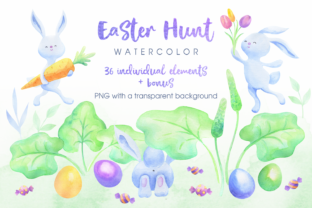
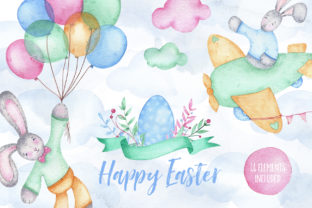
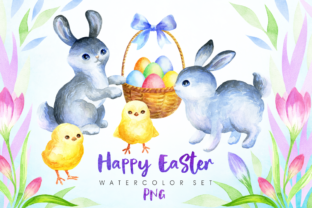
To truly test the viability of Happy Easter Watercolor Clip Arts, I imagined a specific client request: a custom embroidered tote bag for a local flower shop's spring collection. The client wanted something that felt fresh and artistic, perfect for carrying bouquets. I selected a medium-sized bunny motif from the collection and placed it on a natural canvas tote bag.
Here is where the practical reality sets in. On a smooth, tight-weave fabric like canvas, the design held up beautifully. By adjusting the thread colors to slightly lighter shades than the original illustration and reducing the stitch count in the background areas, I achieved a convincing watercolor fade. The finished product looked professional and high-end. Customers browsing the shop were drawn to the softness of the design, perceiving it as a premium personalized gift.
However, the scenario changes drastically if we move to a different substrate. Imagine trying to stitch this same design onto a heavy fleece sweatshirt. The texture of the fleece would interfere with the delicate details of the watercolor effect. The embroidery file might look crisp on the computer, but the raised pile of the fabric could swallow the finer details, making the image look muddy. This highlights a crucial point for small business owners: context is everything. This design shines on flat, stable fabrics but struggles on textured or stretchy materials.
Navigating Technical Challenges and Fabric Choices
When working with Happy Easter Watercolor Clip Arts, you must be hyper-aware of your material choices. The nature of watercolor art implies transparency and layering, which translates poorly to certain hoop sizes and fabric types. If you attempt to downscale this design for a small cap or a baby sock, the intricate blending will likely turn into a tangled mess of thread. The running stitch and fine details simply cannot survive at such a small scale without significant loss of definition.
I strongly advise against using this design on dark fabrics unless you plan to use a heavy underlay or applique design technique. The light pastels in the clip art need a light background to pop. On black or navy cotton, the white and pale yellow threads might disappear entirely, ruining the visual appeal. Furthermore, if you are creating items that require frequent washing, such as kitchen towels or aprons, ensure you use a high-quality stabilizer. The softer stitch density required for the watercolor look can pucker or distort over time if the backing isn't robust enough.
Key Considerations for Commercial Use
- Fabric Texture: Stick to smooth cottons, linens, or canvas. Avoid heavy knits or fuzzy fabrics.
- Color Contrast: Test your thread colors against the fabric before committing to a full run. What looks good on a mockup may vanish on the actual material.
- Hoop Size: Ensure your hoop is large enough to accommodate the design without cutting off the delicate trailing edges of the watercolor shapes.
- Licensing: Always confirm the licensing terms. Are you allowed to sell the finished product? Can you offer the digital embroidery file to other makers? Never assume commercial rights apply automatically.
Enhancing Product Value and Customer Trust
Using Happy Easter Watercolor Clip Arts correctly can significantly elevate your brand. In a crowded market of generic holiday items, a well-executed watercolor embroidery piece stands out as thoughtful and curated. It signals to the buyer that care was taken in the creation process. This attention to detail builds customer trust and increases the perceived value of your custom apparel or holiday gifts.
For the craft business owner, this design offers a chance to differentiate. While many competitors are using bold, blocky logos, your use of soft, artistic elements creates a unique niche. It appeals to customers looking for nursery decor, bridal shower favors, or boutique home goods. However, this value is only realized if the execution is flawless. A poorly stitched watercolor design looks amateurish and can damage your reputation. Therefore, always create a printable mockup or a physical test run on scrap fabric first.
Practical Designer Notes for Success
Before you commit to selling items featuring Happy Easter Watercolor Clip Arts, take these steps to ensure success. First, test the design on a scrap piece of the exact fabric you intend to use. Check how the thread interacts with the weave. Second, review the stitch density settings in your software. You may need to reduce the density in the "wash" areas to prevent puckering and maintain the airy feel of the illustration.
Third, inspect the small details. Zoom in on the corners and edges of the design. If there are tiny letters or intricate flourishes, consider simplifying them. Complex details often get lost in translation during stitching. Finally, compare the design on both light and dark fabric backgrounds. Even if you only plan to sell light items, understanding how the design behaves on dark backgrounds helps you understand its limitations.
In conclusion, Happy Easter Watercolor Clip Arts is a powerful tool for designers willing to put in the extra effort. It is not a shortcut, but rather a foundation for creating beautiful, high-value embroidery projects. Whether you are making a single personalized gift or launching a line of commercial embroidery products, respecting the nuances of the watercolor style will yield results that delight your customers and strengthen your brand. Just remember: the magic lies not just in the design itself, but in how skillfully you translate it into thread.