Happy Foxes Watercolor Collection Review
As a designer who has spent years translating digital art into tangible thread, I approach every new machine embroidery design with a mix of excitement and skepticism. The market is flooded with generic assets, but occasionally, a collection arrives that feels like it was made for the specific challenges we face in small shops and home studios. That is exactly how I felt when I first opened the files for the Happy Foxes Watercolor Collection. Before I even loaded the hoop, I had to ask myself: does this whimsical aesthetic hold up under the scrutiny of a stitching machine, or is it just another pretty image that falls apart on fabric?
The Mood and Visual Personality of the Design
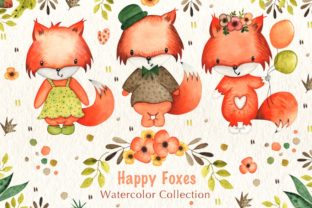
The first impression of the Happy Foxes Watercolor Collection is one of gentle warmth. Unlike rigid vector graphics that can feel cold or corporate, these illustrations carry a softness that mimics actual watercolor paint. For an Etsy seller or a boutique owner looking to create a cohesive brand identity, this mood is invaluable. It immediately suggests products that are handmade, thoughtful, and personal. The layout of the foxes varies enough to keep things interesting without feeling chaotic, which is crucial when you are planning a custom apparel line.
However, visual appeal on a screen is only half the battle. The real test comes when you consider how the "watercolor" effect translates into thread. In traditional embroidery, we often rely on fill stitch to create solid blocks of color. This collection seems designed to challenge that norm, likely utilizing varied stitch density and perhaps some clever running stitch techniques to mimic the bleed of watercolor. If the file structure supports this, it elevates the finished product from a simple logo to a piece of textile art.
A Real-World Scenario: The Custom Tote Bag Project
To truly evaluate this asset, I imagined a specific project: creating a limited run of canvas tote bags for a local children's bookstore. The goal was to offer a personalized gift option where parents could choose a fox design for their child's bag. I visualized placing one of the larger fox designs from the Happy Foxes Watercolor Collection right in the center of a 10x10 inch hoop on a natural-colored canvas tote.
In this scenario, the texture of the canvas becomes a key factor. The watercolor style relies on subtle gradients. On a smooth cotton shirt, these might look perfect, but on a textured tote bag, the thread colors need to pop against the weave. I found myself thinking about the importance of using a high-quality stabilizer. Without proper backing, the intricate details of the fox's fur or facial features could get lost in the fabric's grain. If the design includes fine lines, they must be thick enough to survive the tension of the machine on a heavy-duty bag.
From a customer perspective, imagine walking into a shop and seeing these bags. The whimsical nature of the foxes would likely draw in families immediately. It feels less like mass-produced merchandise and more like a curated item from a passionate maker. This perception of quality directly impacts buyer engagement and allows for a higher price point, which is essential for any craft business trying to maintain healthy margins.
Navigating Fabric Challenges and Placement
While the potential is high, experienced designers know that not every design works on every surface. The Happy Foxes Watercolor Collection requires careful consideration regarding fabric texture and garment type. For instance, applying these designs to stretchy fabrics like jersey knit for sweatshirt embroidery demands extra attention. If the design relies heavily on satin stitch for outlines, the elasticity of the fabric could cause puckering over time.
I would also advise caution when using these designs on dark fabrics. Watercolor aesthetics often depend on light backgrounds to show the "wash" of color. Stitching a light-colored fox onto a black hoodie might require extensive underlay or a different color palette strategy to ensure the design doesn't look muddy. Similarly, curved surfaces like caps present a unique challenge. The round shape of a hat can distort the proportions of the fox if the hoop size isn't perfectly matched to the cap's curvature. A design that looks balanced on a flat screen might appear stretched or squashed on a bill.
For delicate items like baby embroidery or nursery decor, the softness of the design is a major plus. However, safety and comfort are paramount. You must ensure that the back of the stitching is clean and that no loose threads remain, especially for items that will be handled by infants. The stitch density should be low enough to prevent the fabric from becoming stiff, which is uncomfortable for baby clothes.
Practical Notes for the Professional Designer
If you decide to incorporate the Happy Foxes Watercolor Collection into your workflow, here are the non-negotiable steps I recommend:
- Test on Scrap Fabric First: Never skip this step. Run a test on the exact material you plan to use. Check how the "watercolor" gradient looks in thread versus on your monitor.
- Check Thread Color Contrast: Ensure the chosen thread colors provide enough contrast against your background fabric. What looks good in RGB on a screen might disappear on beige linen.
- Review Stitch Density: Inspect the file settings. If the density is too high, it will create a hard patch on the fabric; too low, and the design may look incomplete.
- Confirm Hoop Size: Verify that the design fits comfortably within your available hoops. Forcing a large design into a small hoop can lead to registration errors.
- Inspect Small Details: Zoom in on the eyes, noses, and paws. These tiny areas often suffer from misalignment during stitching if the file isn't optimized.
- Use Proper Stabilizer: Whether it is tear-away, cut-away, or wash-away, the right stabilizer is the backbone of a professional-looking embroidered patch or garment decoration.
- Verify Licensing: Before selling any handmade product or digital product, confirm the licensing terms. Some Illustrations are for personal use only, while others allow for commercial sales of finished goods.
Impact on Brand Value and Customer Trust
Ultimately, the decision to use a specific embroidery file affects your brand's reputation. The Happy Foxes Watercolor Collection offers a distinct visual personality that can set your shop apart from competitors using standard clip art. When customers receive a holiday gift or a personalized item featuring this design, they are buying into the story of craftsmanship.
High-quality embroidery signals professionalism. If the stitching is crisp, the colors blend well, and the design sits flat on the fabric, it builds customer trust. Conversely, a poorly executed design with tangled threads or distorted shapes can damage your reputation quickly. By taking the time to test and refine how this collection works on your specific products—be it a kitchen towel, a pillow cover, or a small shop product—you ensure that every item leaving your studio represents the best of your work.
For those of us balancing creativity with commerce, finding assets that bridge the gap between artistic vision and technical execution is rare. The Happy Foxes Watercolor Collection has the potential to be a staple in a portfolio of commercial embroidery projects, provided it is handled with the care and expertise it deserves. It invites makers to think beyond the basics and create items that truly resonate with their audience.