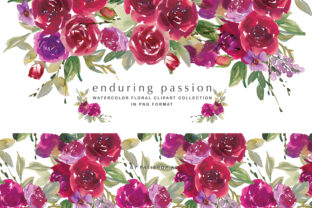
Red Watercolor Rose Clipart Set Review
As a designer who has spent years translating digital art into tangible thread, I approach every new asset with a critical eye. When I first opened the Red Watercolor Rose Clipart Set, my immediate reaction was one of artistic appreciation, followed quickly by the practical questions that define our trade. This collection falls under the Illustrations category, which often presents a unique challenge for embroidery. The soft, bleeding edges and gradient tones of watercolor are beautiful on a screen, but how do they translate when stitched onto fabric? Does the delicate aesthetic survive the rigors of a machine needle, or does it become muddy and indistinct?
The Visual Mood and Design Intent
The Red Watercolor Rose Clipart Set exudes a romantic, vintage charm. The reds are deep and rich, fading into softer pinks and whites, mimicking the look of wet-on-wet painting. For an embroidery project focused on elegance, this mood is perfect. It suggests nostalgia and warmth, making it an ideal candidate for bridal accessories, nursery decor, or boutique home goods. However, the visual personality relies heavily on those soft transitions. In the world of machine embroidery design, we know that smooth gradients require high stitch density and careful color blending to avoid looking pixelated or jagged.
When evaluating this set for a real client project, such as a custom embroidered tote bag for a local flower shop, the first impression is promising. The layout of the roses feels organic, not rigid. Unlike vector line art which can sometimes feel too sharp for floral themes, these illustrations offer a fluidity that breathes life into the design. Yet, the question remains: will the finished product capture that same ethereal quality, or will the thread tension flatten the artistic intent?
Real-World Application: From Screen to Stitch
Let's imagine a specific scenario: I am preparing a run of personalized aprons for a small wedding gift business. The client wants a rustic-chic look, and the Red Watercolor Rose Clipart Set seems like the perfect fit. I load the embroidery file into my software to simulate the stitching process. Here is where the true test begins. To replicate the watercolor effect, the digitizer likely utilized a combination of fill stitch and perhaps some satin stitch accents for the petals' edges.
In practice, this design shines on medium-weight fabrics like canvas or heavy cotton twill. These materials provide the stability needed to support the intricate details without puckering. If I were using this for custom apparel, specifically a thick sweatshirt, the texture of the fleece would actually complement the soft look of the rose, hiding minor imperfections in the stitch definition. The design assets here are versatile enough to work as a central motif on a pillow cover or as a smaller accent on a tea towel. For an Etsy seller looking to expand their catalog, this set offers a distinct aesthetic that stands out against the sea of standard geometric or bold graphic designs currently flooding the market.
However, the transition from illustration to thread requires patience. The "bleeding" edges of the watercolor style mean there is no hard outline. In embroidery terms, this means the design relies on color changes and layering to define the shape. If the stitch density is too low, the background fabric might show through in unwanted spots, breaking the illusion of a painted rose. Conversely, if the density is too high, the fabric could pucker, especially on lighter materials. This is why testing the Red Watercolor Rose Clipart Set on scrap fabric is non-negotiable before committing to a paid order.
Navigating Fabric Challenges and Limitations
While the potential is high, there are specific situations where this design demands caution. The delicate nature of the watercolor style makes it less forgiving on textured fabrics like linen or denim, where the weave can interrupt the flow of the petals. Similarly, using this on stretchy fabrics like jersey knit requires a robust stabilizer to prevent the design from distorting as the fabric moves. Without proper backing, the fine details of the rose could warp, ruining the professional finish.
Dark fabrics present another hurdle. The thread colors in this set range from bright reds to pale pinks. On a black or navy background, the lighter shades may get lost unless a top layer of white or light-colored fill is added underneath. This adds complexity to the digitizing process and increases the running time. For commercial embroidery projects where efficiency matters, this extra step needs to be factored into the pricing and timeline. Additionally, curved surfaces like caps are tricky. The three-dimensional curve can cause the flat, organic shapes of the roses to distort, potentially making the petals look uneven or stretched.
Maximizing Value and Customer Trust
For the small shop owner or creative entrepreneur, the value of the Red Watercolor Rose Clipart Set lies in its ability to elevate a basic item into a premium handmade product. A simple cotton tote bag becomes a statement piece when adorned with these detailed roses. Customers buying personalized gifts are often looking for something that feels special and artisanal. This design delivers that emotional connection. The visual appeal directly impacts buyer engagement; a well-executed watercolor rose looks expensive and thoughtful, justifying a higher price point.
However, maintaining brand consistency is key. If your brand is known for bold, modern graphics, introducing a soft, vintage floral might confuse your audience. But for brands focusing on weddings, baby showers, or home decor, this fits perfectly. It signals attention to detail and an understanding of current trends in craft business aesthetics. When creating printable mockups for your listings, ensure you showcase the design on realistic textures so customers understand exactly what the thread will look like compared to the digital illustration.
Practical Designer Notes for Success
If you decide to move forward with the Red Watercolor Rose Clipart Set, here are my essential recommendations for a flawless execution:
- Test First: Always run a test on a scrap piece of the actual fabric you plan to use. Check for puckering, registration issues between color layers, and overall clarity.
- Stabilizer Choice: Use a cutaway stabilizer for knits and woven fabrics that need long-term durability. A tear-away might not provide enough support for the dense areas of the rose petals.
- Color Contrast: Before stitching, visualize the design in black and white to check contrast. Ensure the reds pop against the background without blending into it unintentionally.
- Hoop Size Matters: Verify that your hoop size accommodates the full bloom of the largest rose in the set. Cropping the design can ruin the composition and balance.
- Licensing Check: Confirm the licensing terms for the digital embroidery file. Ensure you have the right to sell finished items or create commercial embroidery products before listing them online.
- Detail Inspection: Zoom in on the smallest petals. If the digitizing is too aggressive, tiny threads might break during washing. Opt for slightly thicker stitches if durability is a priority.
In conclusion, the Red Watercolor Rose Clipart Set is a powerful tool for designers who understand the nuances of translating art into thread. It is not a "set it and forget it" design; it requires skill, preparation, and a good eye for detail. But when executed correctly, the result is a stunning finished product that captures the soul of watercolor art in the durability of embroidery. Whether you are making a baby embroidery blanket, a holiday ornament, or a signature piece for your boutique, this set has the potential to create magic—if you respect the craft behind the click.